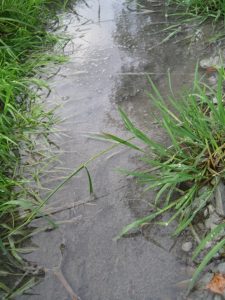
Water pollution comes in various forms and from various sources. Sometimes it comes from a single point source, such as a pipe, Waste Water Treatment Works or factory. Other times it arises from multiple sources of diffuse pollution, which are more varied and that are spread across the landscape.
Water quality is under threat from different types of diffuse pollution, including; contaminated runoff in rural and urban areas, poorly maintained septic tanks, incorrect plumbing in homes and businesses, and increased rainfall which can result in overwhelmed sewage systems.
We’re constantly carrying out work to improve water quality across South Cumbria. Here at SCRT, we are working hard to ensure water quality is taken seriously and improvements are made on the ground; as a delivery organisation, we ensure targeted and direct improvements are being made. We are:

- Advising landowners and farmers in ways to improve agricultural practices, to address chemical use, surface run-off and the erosion of soil
- Raising awareness and educating the public about water quality
- We have produced septic tank guidance for homeowners and businesses to encourage good practice septic tank maintenance.
- We are trialing phosphate removal chambers at certain sites locally to test the viability
 of this innovative technology and it’s potential use on septic tanks in the future.
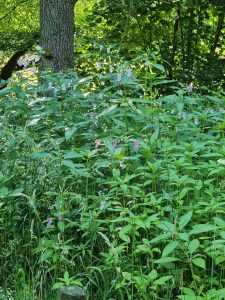
 - Restoring natural features such as reedbeds and woodlands, that act as natural pollutant filters.
- We continue to control invasive species that can cause increased nutrients and sedimentation in watercourses.
- Funding dependent, we monitor, sample and test specific sites for nutrients and analyse the effects.
See our project pages to see what more we are doing to help improve water quality.
BUT, WHAT CAN YOU DO?
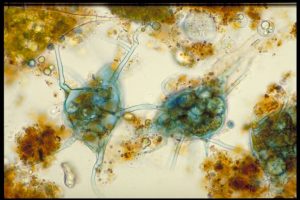 Firstly, we have to remember that water pollution takes various forms including chemical, agricultural run-off, sewage, septic tanks etc which when combined have a debilitating effect on water quality through nutrient loading. One of the main nutrients produced through diffuse pollution including run-off, septic tanks and sewage is phosphate, which causes increased algal growth. This can lead to an increase in algal blooms and Cyanobacteria which consume oxygen from the water. Cyanobacteria i.e. blue-green algae, can sometimes be toxic, effecting human and animal health.
Climate change is also compounding this effect through rising temperatures further increasing algal blooms.
The problem is great but local action is and can be taken and this is where you come in.
Here are some small things that you can do to make a big difference.